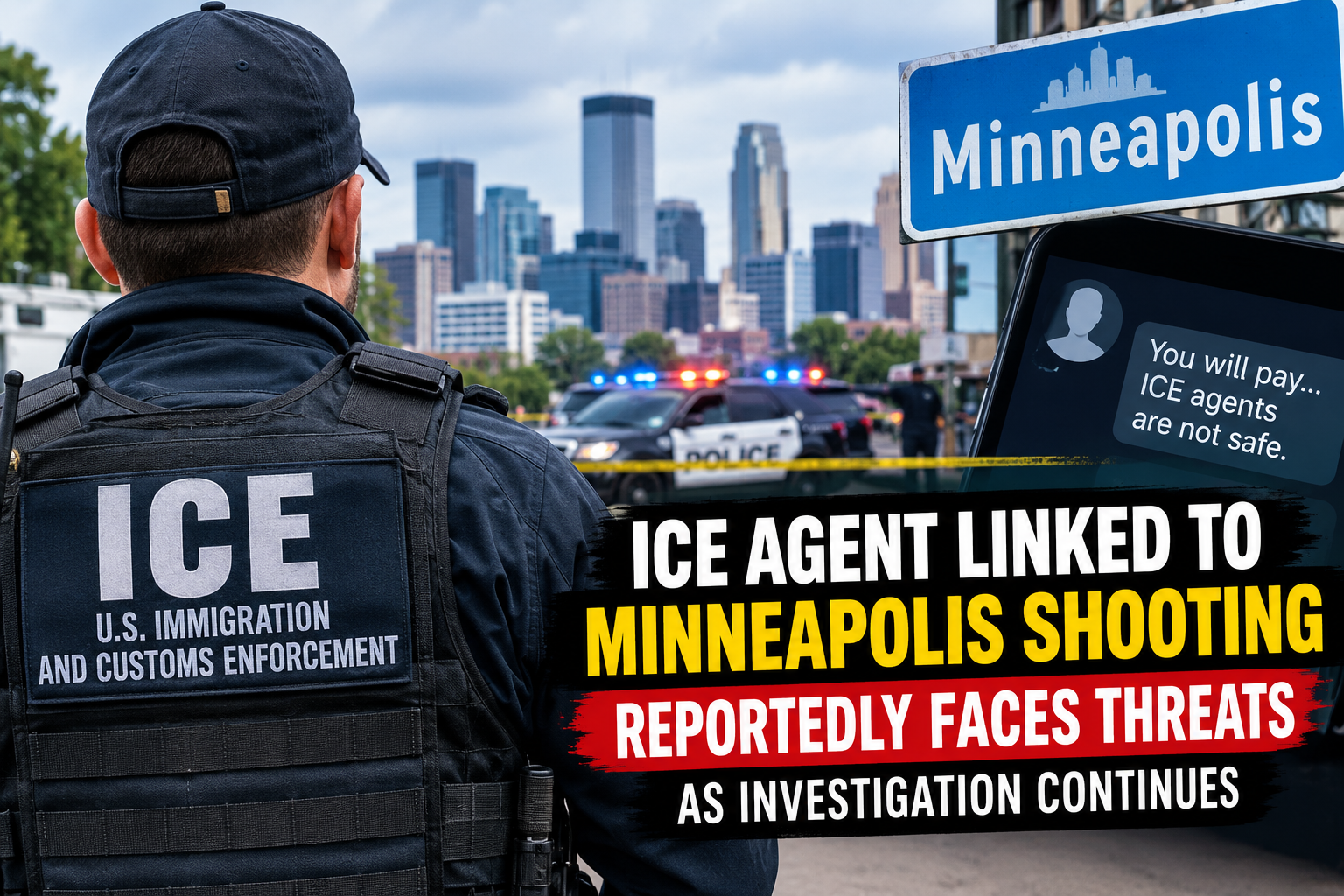
A controversial federal immigration operation in Minneapolis has continued to draw national attention, with security concerns surrounding an ICE agent reportedly connected to one of the shootings.
According to U.S. officials, threats were directed toward an immigration enforcement officer following the incident. The development adds another layer to an already closely watched series of encounters involving federal agents in Minnesota.
The situation has generated debate over officer safety, the use of force and the level of public scrutiny surrounding immigration enforcement operations.
What Happened in Minneapolis?
Minneapolis became the center of national attention in January 2026 after federal immigration agents were involved in several serious shooting incidents.
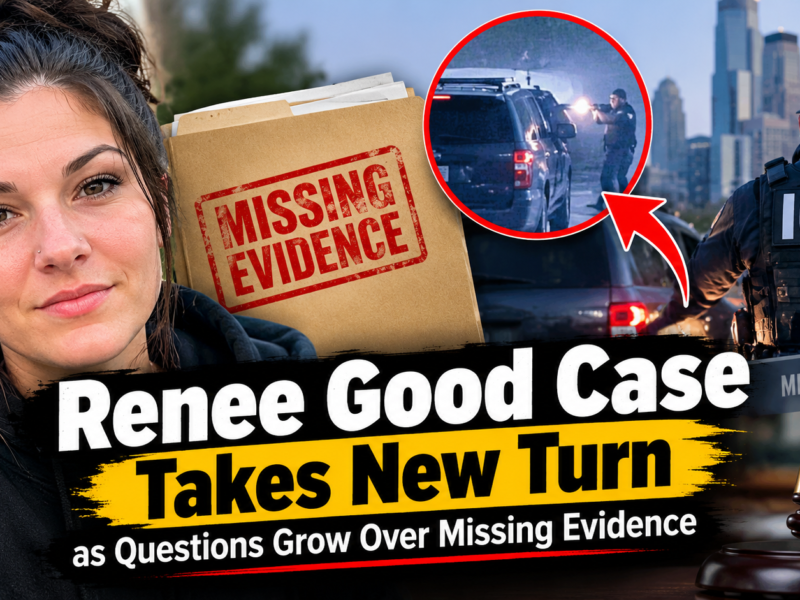
One of the most widely reported cases involved Renee Nicole Good, a 37-year-old U.S. citizen who was fatally shot by an ICE agent on January 7 during an encounter in south Minneapolis. City officials confirmed that Good was taken to Hennepin County Medical Center after being found with life-threatening gunshot wounds, but she later died.
The circumstances surrounding the shooting quickly became disputed.
Federal officials gave an account of the encounter that emphasized the agent’s claim of danger, while publicly released videos led journalists and fact-checkers to question portions of that description. FactCheck.org noted that some statements made by federal officials appeared inconsistent with available bystander footage, while also emphasizing that the investigation was still developing.
Why Are Threats Against an ICE Agent Being Reported?
As public anger surrounding federal immigration operations grew, authorities also reported threats directed at federal immigration officers.
The U.S. Department of Justice later announced a federal case involving alleged threats against ICE personnel in Minneapolis. Prosecutors accused a Minneapolis man of using social media to encourage violence against federal officers and of attempting to identify officers publicly.
Those allegations are contained in a criminal complaint, meaning they are accusations rather than proof of guilt. The defendant is presumed innocent unless proven guilty in court.
The Justice Department has also announced other cases involving alleged threats against ICE officers during 2026, showing that security concerns around immigration agents have extended beyond Minneapolis.
The Minneapolis Operation Became Increasingly Controversial
The January shootings did not remain isolated incidents.
On January 14, another ICE-related shooting occurred in north Minneapolis involving Julio Sosa-Celis. The Hennepin County Attorney’s Office later charged ICE agent Christian Castro with four counts of second-degree assault and one count of falsely reporting a crime in connection with that incident.
Castro was subsequently arrested in Texas in May after investigators located him there.
However, the legal picture later changed. In August, federal prosecutors declined to bring federal charges against Castro over the shooting of Sosa-Celis.
These developments demonstrate why individual incidents should be considered separately rather than treating every Minneapolis shooting as having the same circumstances or legal outcome.
What About the Agent Involved in the Fatal Shooting?
The identity and circumstances surrounding the agent who fatally shot Good became a major subject of public discussion.
Social media users circulated images claiming to identify the officer. However, fact-checkers found that some widely shared images had been digitally altered using artificial intelligence and incorrectly identified another person as the ICE agent.
This is an important reminder that unverified images and names circulating online should not automatically be treated as reliable evidence.
The Washington Post also reported that additional footage provided new information about the moments immediately before Good was shot, while noting that the available video did not establish every disputed detail of the encounter.
Threats Add Another Dimension to the Story
Threats against federal personnel can create concerns beyond the original incident.
For officers working in highly visible operations, public exposure can potentially increase personal security risks. At the same time, disagreements over government policy and criticism of immigration enforcement are distinct from threats of physical violence.
Federal prosecutors have pursued cases where they allege that online statements crossed that line.
In one Minneapolis case, prosecutors alleged that an individual encouraged people to confront and assault federal officers and attempted to identify people associated with ICE operations.
A Broader National Debate
The Minneapolis incidents have become part of a much larger discussion about federal immigration enforcement.
Supporters of aggressive enforcement have emphasized the dangers agents may face while carrying out federal duties. Critics have focused on questions surrounding the use of force, transparency and accountability.
Those disagreements have continued as additional incidents involving immigration officers have emerged across the country.
For readers following the Minneapolis case, separating confirmed facts from allegations, political statements and unverified social-media material remains particularly important.
What Happens Next?
The legal and investigative picture can change as authorities release additional evidence, courts consider criminal allegations and independent investigations continue.
The reported threats against an ICE agent are separate from the underlying shooting investigation. A threat allegation does not determine whether the original use of force was lawful, just as controversy surrounding a shooting does not establish that a threat against an officer was justified.
Both issues require separate factual and legal consideration.
Final Takeaway
The Minneapolis ICE shooting controversy has developed into a wider story involving federal immigration enforcement, disputed accounts of encounters, criminal investigations and alleged threats against government personnel.
Official records show that authorities have taken alleged threats against ICE officers seriously, while separate investigations have continued into the conduct of federal agents involved in Minneapolis shootings.
As more evidence becomes available, the most reliable picture will depend on court records, official investigations, verified video and reporting that clearly distinguishes established facts from allegations.
Disclaimer: This article is intended for informational purposes. Allegations described in criminal complaints are not proof of guilt, and legal proceedings can change as new evidence emerges.