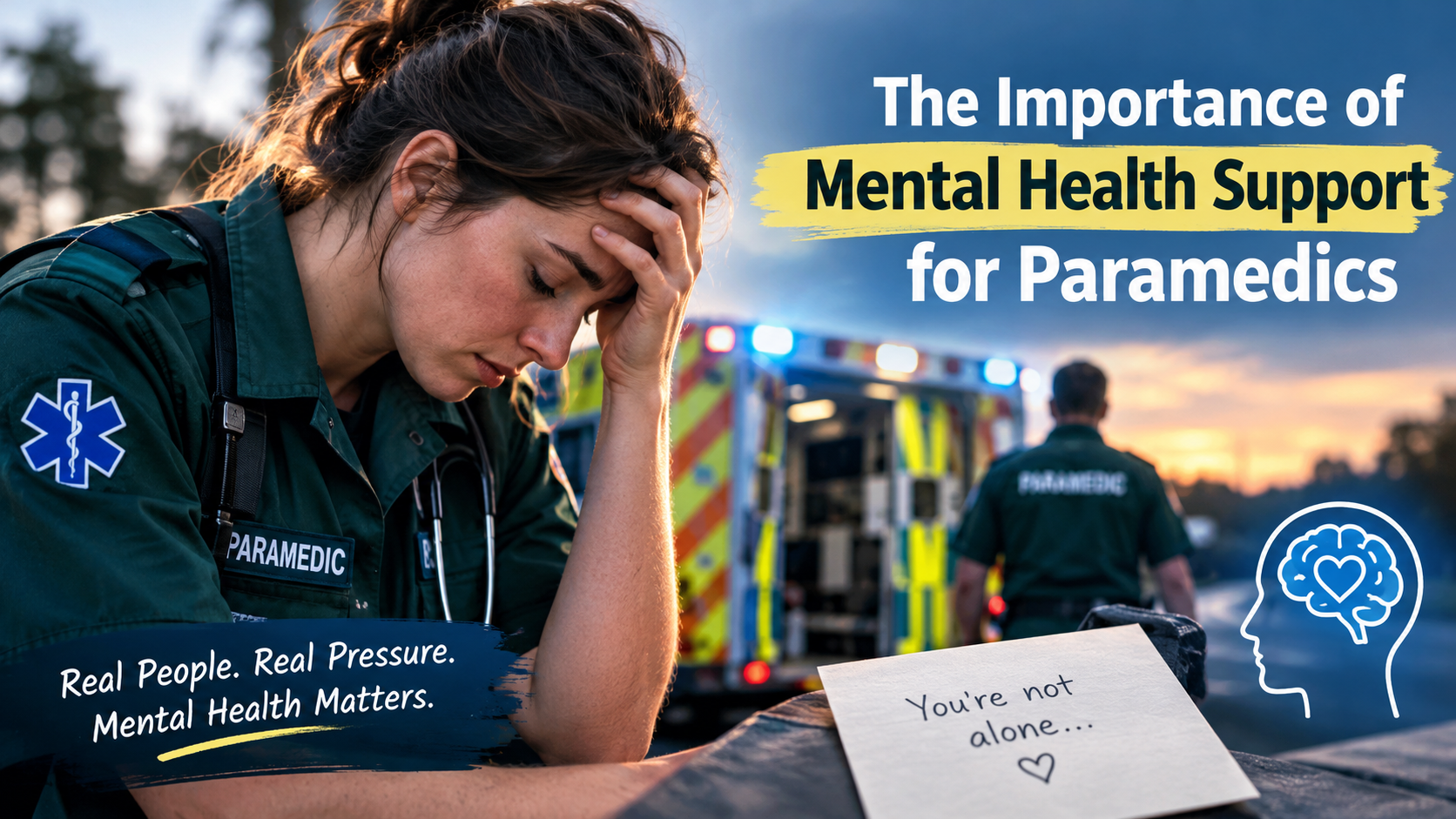
The people who spend their days responding to emergencies are often seen as symbols of strength and courage. Paramedics arrive when families are frightened, accidents happen, and lives hang in the balance. Yet behind the uniform, they are human beings who can experience emotional exhaustion, personal struggles, and serious mental health challenges.
A reported case involving a young paramedic in the United Kingdom has drawn attention to an important question: Are the people who care for others receiving the support they need themselves?
The case has renewed conversations about mental health services, workplace responsibility, and the importance of listening when someone asks for help.
The Difficult Reality Behind an Emergency Career
Working as a paramedic can be deeply meaningful, but it can also place significant pressure on a person’s emotional wellbeing.
Emergency responders regularly encounter distressing situations, unpredictable working hours, and the responsibility of making decisions under pressure. Over time, these demands may affect sleep, relationships, concentration, and mental health.
Although many emergency workers develop strong coping skills, professional training does not make anyone immune to psychological distress.
Mental health difficulties can affect people from every background, including those who appear confident, capable, and successful at work. Recognizing this reality is an important step toward creating healthier emergency services.
When Asking for Help Becomes Difficult
One of the most important issues raised by stories involving mental health crises is whether people can access timely, appropriate care.
Someone experiencing emotional distress may reach out to a healthcare professional, a workplace support service, or a trusted person. If they encounter delays, unclear procedures, or difficulty getting an appointment, the experience can become discouraging.
This does not mean that every unsuccessful appointment reflects deliberate neglect. Healthcare services may face staffing shortages, limited resources, and complicated referral processes. However, these challenges make clear communication and effective follow-up especially important.
A person who is struggling should not have to navigate a confusing system without knowing where to turn next.
Why Mental Health Support Matters in Emergency Services
Emergency services depend on employees who can respond to demanding situations. Supporting their mental health is therefore not simply a personal matter; it is also an important part of workplace wellbeing.
Organizations can help by offering confidential counseling, accessible mental health assessments, supportive supervisors, and clear procedures for urgent concerns.
Regular check-ins may also help employees speak openly about difficulties before those difficulties become overwhelming.
Importantly, support should not depend on whether someone appears visibly distressed. Changes in behavior, withdrawal from colleagues, persistent exhaustion, and expressions of hopelessness deserve compassionate attention.
No single sign can establish that a person is suicidal, but concerning changes should never be dismissed.
The Importance of Listening Without Judgment
When someone says they are struggling, a supportive response can make a meaningful difference.
Friends, relatives, and coworkers do not need to have all the answers. Often, the most helpful first step is to listen carefully, avoid criticism, and ask what kind of support the person needs.
Statements such as “You can tell me what is happening” or “I want to help you find someone who can support you” can open the door to an honest conversation.
People should also remember that mental health conditions are not character flaws. Seeking professional help is a reasonable and important response to emotional suffering.
What Employers and Healthcare Organizations Can Learn
Cases that raise questions about access to mental healthcare offer an opportunity to examine existing support systems.
Healthcare employers can review whether employees know how to access confidential services, whether urgent referrals receive appropriate attention, and whether staff members have a clear point of contact during a crisis.
Independent reviews and careful investigations, when warranted, can help identify gaps and recommend practical improvements.
At the same time, reporting about an individual case should distinguish verified findings from allegations, personal accounts, and unanswered questions. Responsible coverage respects the people affected while avoiding conclusions that have not been established by evidence.
Moving Beyond Awareness Toward Action
Raising awareness is valuable, but awareness alone is not enough. Meaningful progress requires accessible services, trained professionals, timely assessments, and follow-up care that reflects each person’s needs.
Communities can contribute by reducing stigma and encouraging people to seek support without embarrassment. Employers can create environments in which discussing mental health is treated as a normal part of wellbeing rather than a professional weakness.
The wider lesson is simple: People who spend their lives helping others deserve opportunities to receive help themselves.
Final Thoughts
The story of a paramedic facing mental health difficulties serves as a reminder that professional dedication does not eliminate personal vulnerability.
Behind every emergency uniform is a person whose wellbeing matters. Listening, responding compassionately, and improving access to mental healthcare can help build a system that takes emotional distress seriously.
Rather than focusing only on a final letter or the circumstances surrounding a tragedy, the more constructive response is to consider what families, workplaces, and healthcare systems can do to make support easier to reach.
Mental health deserves attention before a crisis, not only after a tragedy.