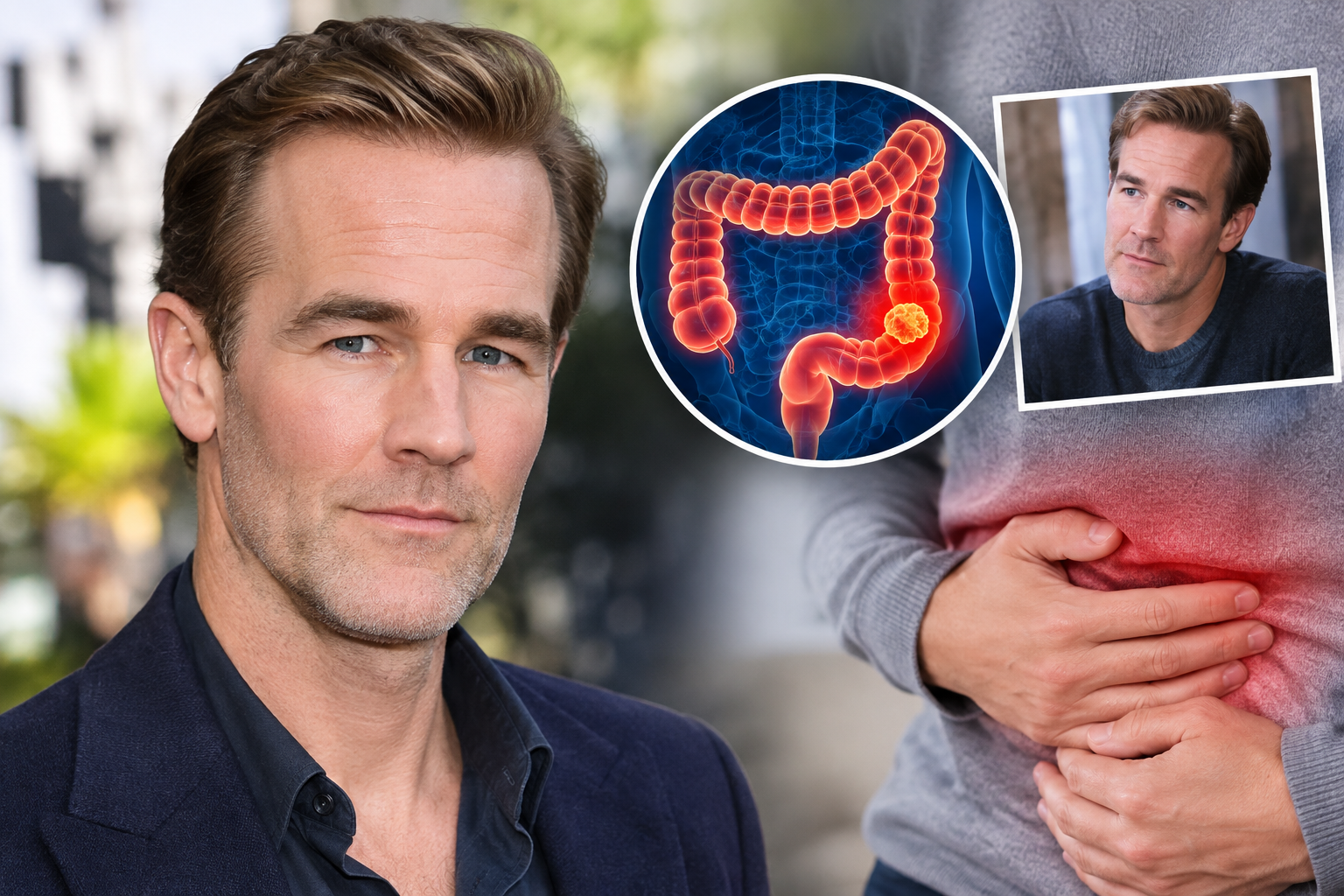
The death of actor James Van Der Beek at age 48 has renewed attention on colorectal cancer and the subtle symptoms that can sometimes appear before a diagnosis.
Van Der Beek, widely recognized for his role as Dawson Leery in Dawson’s Creek, publicly revealed in 2024 that he had been diagnosed with colorectal cancer. He later spoke openly about his experience and encouraged greater awareness of the disease, particularly among people who may not consider themselves at high risk.
He died on February 11, 2026, according to his family and publicist. His family said he passed peacefully.
The Small Change He Initially Didn’t Think Was Serious
One of the most notable details from Van Der Beek’s account was that his first warning sign was not a dramatic medical emergency.
He described noticing changes in his bowel movements. At first, he wondered whether the issue could be connected to his coffee consumption.
When cutting back on coffee did not resolve the problem, he decided it was time to have the symptoms investigated.
That decision eventually led to a colonoscopy, during which doctors discovered colorectal cancer. Healthline reported that Van Der Beek said he had been in good physical condition and had not expected to receive such a serious diagnosis.
His Diagnosis Came as a Shock
Van Der Beek had publicly shared his diagnosis in November 2024, explaining that he had initially kept the situation private while undergoing treatment and focusing on his health.
At the time, he also emphasized that he wanted to use his experience to increase awareness about colorectal cancer.
His diagnosis was particularly striking because he had considered himself healthy and active. Medical experts have increasingly emphasized that colorectal cancer can affect younger adults, meaning good overall fitness does not eliminate the possibility of disease.
Why Changes in Bowel Habits Matter
Changes in bowel habits can have many causes, and most digestive changes do not automatically mean cancer.
However, persistent or unexplained changes deserve attention, particularly when they occur alongside other symptoms.
Possible warning signs of colorectal cancer can include:
- A persistent change in bowel habits
- Blood in or on the stool
- Ongoing abdominal discomfort or pain
- Unexplained weight loss
- Unexplained anemia
- Persistent diarrhea or constipation
- A feeling that the bowel does not completely empty
The presence of one of these symptoms does not mean a person has cancer. Similar symptoms can occur with many less serious digestive conditions. The important point is that symptoms that persist or concern you should be discussed with a healthcare professional.
Why Colorectal Cancer Can Be Difficult to Notice
Colorectal cancer can develop without obvious symptoms, especially during its earlier stages.
Cancer often begins from abnormal growths called polyps. Some polyps remain harmless, while others can eventually develop into cancer. Screening can help doctors identify abnormalities before they become more advanced disease.
That is one reason colonoscopy can be important: it can allow physicians to examine the colon directly and, in some circumstances, remove precancerous polyps.
The American Cancer Society recommends that people at average risk begin colorectal cancer screening at age 45, while people with certain risk factors may need to begin earlier or be screened more frequently. Individual recommendations should be discussed with a healthcare professional.
James Van Der Beek Wanted His Experience to Raise Awareness
After announcing his diagnosis, Van Der Beek spoke publicly about the importance of awareness.
His story highlighted an important misconception: cancer is not exclusively an illness affecting older people.
The Colorectal Cancer Alliance noted after his death that his openness helped bring attention to colorectal cancer and its impact on younger adults.
Van Der Beek’s experience also demonstrated why unexplained changes in the body should not automatically be dismissed as lifestyle-related or temporary.
His Final Chapter
Van Der Beek continued working and spending time with his family during his illness. In 2025, members of the Dawson’s Creek cast reunited for a live reading connected with cancer awareness and support for the F Cancer organization, although Van Der Beek was unable to attend in person because of his health.
He died in February 2026 at 48. His wife, Kimberly Van Der Beek, announced his death in a statement shared through his social media account, asking for privacy while the family grieved.
What Readers Can Take Away
James Van Der Beek’s story is not evidence that every change in bowel habits is cancer. Instead, it illustrates why persistent changes should not simply be ignored.
If a digestive symptom continues, returns repeatedly, becomes more severe, or appears together with bleeding, unexplained weight loss, anemia, or ongoing abdominal discomfort, speaking with a medical professional is important.
For people who are eligible for colorectal cancer screening, following recommended screening schedules can also help detect disease earlier.
Final Thought
Van Der Beek’s public discussion of his illness gave many people an opportunity to learn more about colorectal cancer. His experience serves as a reminder that important health warnings are not always dramatic. Sometimes, they can begin with a change that seems ordinary enough to overlook.
Being aware of persistent changes, understanding personal risk factors, and discussing concerns with a qualified healthcare professional can all play an important role in protecting long-term health.